 FIND A LOCATION

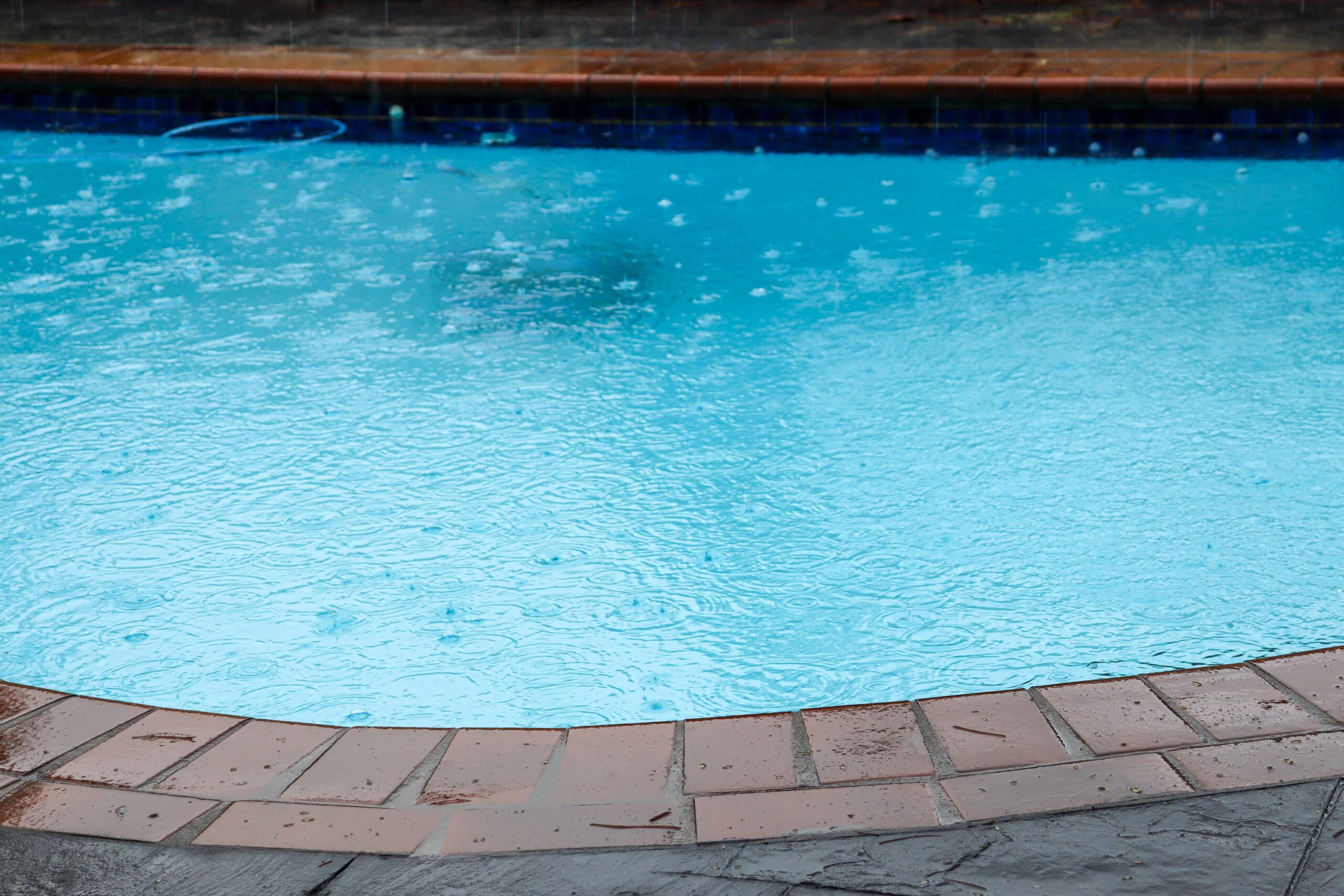
Preparing Your Pool for Fall Storms and Severe Weather
Fall is a great time to enjoy cooler days and quieter pool time, but it also brings some unpredictable weather. Depending on where you live, the months ahead can bring hurricanes and tropical storms, nor’easters, heavy rain, high winds, and other severe weather.
When a storm is headed your way, your pool probably isn’t at the top of your list. And that’s okay. Your safety and your family’s safety should always come first. But once you’ve taken care of the important things, spending a little time preparing your pool can help protect your equipment and make cleanup easier later.
Here are a few things to keep in mind when severe weather is headed your way.
Get Your Pool Ready Before the Storm
The best time to prepare your pool is before the weather gets serious. Keep an eye on official forecasts and local emergency guidance, and give yourself enough time to safely prepare your property.
One of the most important things you can do is keep your pool at its normal water level. It might seem like draining some of the water would give you more room for heavy rain, but it’s generally best to leave the water level as is. Draining the pool can increase the risk of the liner or shell floating or shifting, especially after heavy rainfall when groundwater levels are high. Without the weight of the pool water to counteract the pressure from below, groundwater can push the liner or shell upwards.
You’ll also want to take a look around your pool area. Bring in pool furniture, toys, decorations, and anything else that could become loose in high winds. If something can’t come inside, make sure it’s securely fastened.
And one important reminder: don’t put patio furniture in the pool. It may seem like an easy way to keep it from blowing away, but furniture and other large objects can damage the pool surface.
Your pool cover is worth a look, too. Secure or remove it according to the manufacturer’s instructions, and consider what’s around the pool. A large branch or other object landing on a safety cover can cause damage.
Give Your Pool Equipment Some Attention
Your pool equipment is another area worth thinking about before a storm, especially if your equipment pad is in an area that could flood.
If flooding is a concern, consider turning off power to your pool equipment at the breaker before the storm arrives. This can help prevent damage if the equipment becomes exposed to water.
Once the storm has passed, don’t rush to turn everything back on. If equipment has been underwater, don’t touch or restart it. Wait until conditions are safe and the equipment is dry, and have submerged equipment inspected by an electrician before using it again.
Give Your Pool a Check After the Storm
Once the storm has passed, take your time. Wait for the official all-clear before traveling or beginning cleanup, and follow any local access restrictions or curfews.
When you’re safely back home, take a look around your pool before jumping into cleanup. Downed power lines, flooding, broken glass, fallen branches, and other debris can create serious hazards. If you see a downed power line, stay away and treat it as live. Never enter a flooded area.
Once the area is safe, empty your skimmer baskets and take a look at the overall condition of your pool.
Heavy rain and storm debris can affect water quality, while an extended power outage can keep your pool from circulating properly. When a pool sits without circulation for several days, algae can take hold quickly. Depending on what your pool looks like afterward, you may need additional cleaning, debris removal, or water treatment to get it back under control.
Don’t Be Surprised If Cleanup Takes Some Time
A major storm affects more than just individual pools. Your entire community may be working through power outages, road closures, property damage, and other challenges.
That’s why Pool Scouts may need to adjust or temporarily pause service during severe weather. Our first priority is always the safety of our customers and team members. Once conditions are safe, we’ll work to get back on the road and resume service as quickly as possible.
And if your pool needs more attention than it normally does after a storm, that’s okay, too. Heavy debris, water quality issues, and extended loss of circulation can all mean additional work. Depending on the condition of your pool, additional time, equipment, or chemicals may be needed to get everything back in shape.
A Little Preparation Can Go a Long Way
You can’t control the weather, but you can take a few simple steps to help protect your pool.
Keep the water at its normal level, secure anything that could blow around, give your equipment some extra attention if flooding is possible, and follow official weather and emergency guidance.
Then, once the storm passes, put safety first and give your pool a careful look before getting started on cleanup.
If your pool needs some extra attention after severe weather, Pool Scouts is here to help. We’ll help you get your pool back on track when it’s safe to do so.
Whether fall brings a tropical storm, nor’easter, heavy rain, or another round of severe weather, a little preparation now can make pool cleanup a whole lot easier later.
Stay safe, stay prepared, and leave the pool care to Pool Scouts.
Fall Storm Pool Prep FAQ
Should I drain my pool before a storm?
No. Keep your pool at its normal water level before a storm. Draining the pool can increase the risk of the liner or shell floating or shifting.
Should I turn off my pool equipment before a storm?
If your pool equipment is in an area that could flood, consider turning off the power at the breaker before the storm arrives. Afterward, don’t touch or restart equipment that has been submerged in water.
Should I cover my pool before a storm?
If you have a pool cover, secure or remove it according to the manufacturer’s instructions. Also take a look at the area around your pool and secure anything that could fall or blow onto the cover, such as furniture, loose items, or branches.
What should I do with my pool after a storm?
Wait until it’s safe to return and follow any official all-clear instructions. Once you’re safely back at your property, check for debris and other hazards, empty your skimmer baskets, and assess the condition of your pool. If your pool needs additional cleaning or treatment, Pool Scouts can help get it back in shape.