

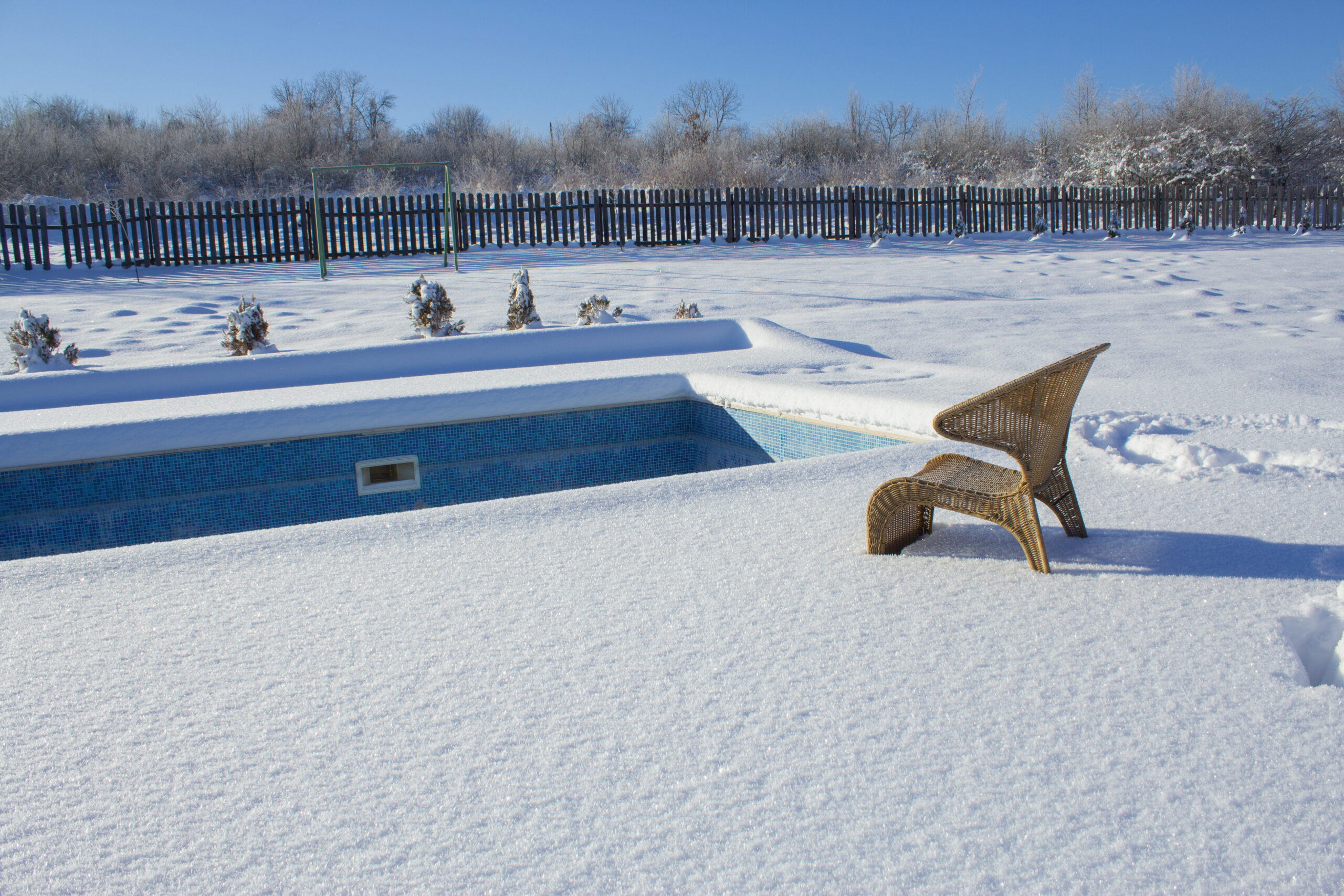
Do You Really Need Pool Service in the Winter? (North Texas View)
Living in the Dallas area, January always feels like the quiet season for pools. Nights get chilly—sometimes dipping into the 30s—but then the sun comes out, and it’s suddenly 60-something degrees. The backyard pool just sits there, no kids jumping in, no weekend gatherings. So it’s easy to think, “Why keep paying for service when it’s basically on hold until spring?”
I get that question a lot from neighbors in Plano, Frisco, and even out toward Arlington. It seems logical to pause everything and save the money. But honestly, in our part of Texas, that approach usually ends up costing more later. Our winters aren’t harsh enough to shut everything down naturally, and little problems build up quietly. I’ve worked with Pool Scouts long enough to see the pattern: folks who skip winter checks often face a bigger mess and higher bills when they finally uncover the pool in March or April.
Let me walk through it plainly—no hype, just what actually happens here and why light maintenance makes sense.
What’s Going On in Your Pool During Winter
The water doesn’t freeze solid like up north, so things keep moving, just slower.
Algae doesn’t vanish. Spores hang around because our lows aren’t consistently cold enough to kill them off. Then we get one of those warm, sunny stretches—pretty common in February—and if the water hasn’t been circulated much, growth starts creeping back. It can stay subtle until suddenly the water looks off.
Debris keeps showing up, too. Wind here is relentless. Leaves drop from live oaks and pecans year-round, pollen blows around, and with all the building going on in the suburbs, dust and grit end up in the pool. If you don’t skim or net occasionally, it sinks, breaks down, and feeds whatever’s in there, making the water cloudy or worse.
Chemistry shifts as well. Our water’s hard—thanks to the Trinity River’s influence—so calcium tends to build up if pH or alkalinity isn’t monitored. Rain can throw things off, lowering pH and risking corrosion on plaster or equipment, or pushing it high and causing scale. Pumps and filters do better with some regular running; otherwise, sediment settles, and things can seize up or clog.
It’s gradual stuff. The pool might look okay from the patio in December, but spring reveals the buildup.
(Here are a couple of examples of what can happen when winter neglect lets algae get a foothold—green water nobody wants to deal with comes warmer weather.)
What Skipping Service Usually Costs You
Sure, you might save $400–700 over a few months by dropping service. But spring fixes tend to eat that up and then some.
A proper algae cleanup—shocking the pool, brushing walls, vacuuming, rebalancing chemicals—often runs $600 to $1,200, depending on how bad it got. Really stubborn cases mean partial drains or extra filter work, and your pool stays closed longer. That hurts when April hits 80 degrees, and everyone’s ready to swim.
Equipment takes hits quietly, too. Pumps sit idle and can seize. Heaters crack during a surprise freeze if not prepped. Scaled-up or clogged filters cost more to run or replace—easily $300 or higher. Hard-water calcium issues build faster without checks and lead to plumbing or valve repairs down the line.
In most situations I’ve seen, the “savings” turn into a net loss plus the headache of delayed opening.
How Pool Scouts Approaches Winter Service
We keep it practical for our weather—not the same schedule as summer, but still effective.
We focus on balanced chemistry: checking pH, alkalinity, calcium hardness, and stabilizer, while dialing back sanitizer since there’s no splashing or heavy evaporation.
Equipment gets looked at—pumps, filters, heaters—to spot issues early and give advice on freeze prep, like running the system during cold snaps or making sure the cover’s on right.
Debris gets handled after big winds or leaf drops: skimming, netting, vacuuming, so nothing rots at the bottom.
We’re upfront—if your pool’s screened in, has a solid cover, and isn’t surrounded by trees or in a windy spot, monthly checks might be plenty. No need to push extra visits. Our local techs know the area: clay soil that tracks in, construction dust in places like Prosper,and wind along the corridors. We send simple reports, so you see what’s been done.
(Quick look at routine winter testing and a filter check—basic steps that prevent bigger problems.)
Figuring Out What Your Pool Actually Needs
It varies by yard.
Screened pools with good covers often do fine with less frequent service—screens block a lot of debris, and covers help stabilize things.
But open yards with lots of trees, pets running around, heavy shade (cooler water loves algae), or spots that catch wind and rain? Those need more attention. Same if there’s been algae trouble before, the equipment’s older, or you heat it sometimes in winter. New pool owners usually appreciate the guidance, too.
A few folks handle lower-risk setups with timers, tight covers, and occasional DIY tests. It works for them. If you’re on the fence, though, getting eyes on it removes the uncertainty.
Bottom Line
Winter here isn’t a full shutdown—it’s more about staying ahead of things. A bit of adjusted care keeps small issues from turning into expensive spring fixes and gets your pool ready faster when the weather turns nice.
If you’re not sure what level fits your setup, reach out. A Pool Scout can come by for a free look—no strings. We’ll check the pool, note your yard’s specifics, and give you straight advice based on what we see locally.
We’re happy to help. Just give us a call at 469-352-9191 or message at mckinney@poolscouts.com.
— Your local Pool Scouts crew