

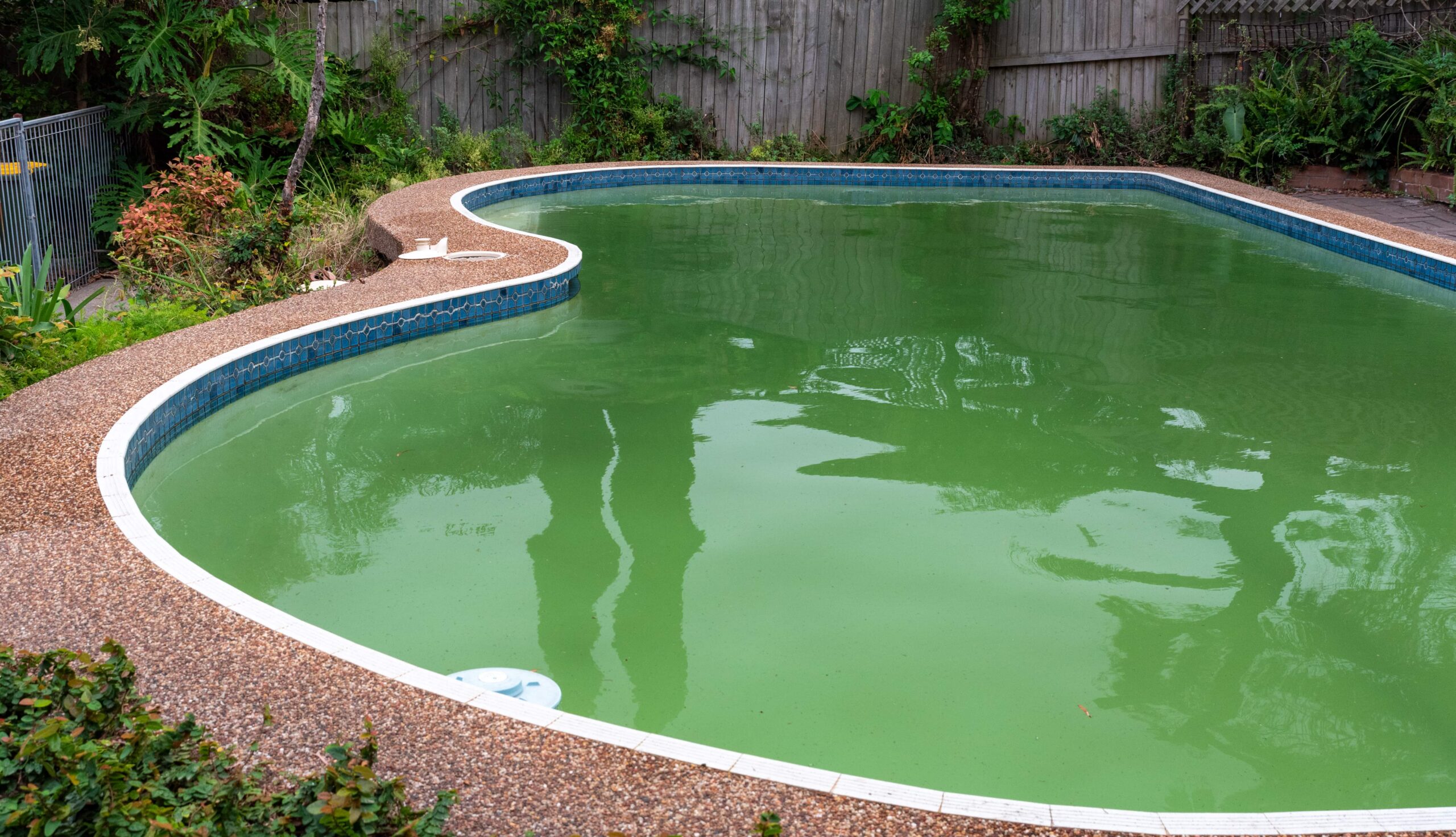
Why Pools Turn Green in Early Spring (And How to Stop It Before It Starts)
You know that moment when you finally peel back the winter cover in March, excited to see your pool again, and at first glance, it doesn’t look half bad? Maybe a bit dull or hazy, but nothing screaming “disaster.” Then, give it a week of warmer weather, a couple of rain showers, and bam—green tint creeping in, or worse, full-on algae soup. Happens every year around here in Fort Worth. I’ve talked to dozens of neighbors who swear their pool was “fine all winter,” only to watch it go south fast once things heat up.
March is sneaky like that. It’s when water temperatures start climbing past 60°F for real, especially with our sunny afternoons hitting the 70s and 80s more often. That’s prime time for algae to kick into gear. Spores sit dormant through the cold months, but give them warmth, some nutrients, and a dip in sanitizer, and they multiply like crazy. The pool might have looked okay under the cover because low temps kept everything slow, but once spring rolls in, the conditions flip overnight.
Here are the biggest reasons pools turn green this time of year, plus what actually works to head it off.
Rising Water Temperatures Wake Everything Up
Algae loves warmer water—most types start getting active around 60°F and really take off in the 65–75°F range. In early spring, even if nights dip back into the 50s, daytime sun warms the surface layer quickly. Without good mixing from the pump, those upper inches heat up faster and create perfect pockets for growth.
Around Fort Worth, we see those first real warm spells in March, and water temps jump 5–10 degrees in a short stretch. Spores from last summer (or carried in on wind and dust) are already there waiting. The fix is simple but consistent: as soon as you uncover or restart, test the temp. If it’s trending up, crank the pump to 8–12 hours a day for better circulation. Keep free chlorine steady at 2–4 ppm—algae has a hard time getting started when sanitizer is reliable.
Rain Storms Wash Away Your Protection
Texas spring weather means rain, and lots of it sometimes. A good thunderstorm dilutes chlorine fast because rainwater has basically zero sanitizer in it. One heavy downpour can drop your free chlorine below 1 ppm, and that’s all algae needs.
Rain also brings in extra phosphates and nitrates from the air or runoff, which feed algae directly. I’ve seen pools go from clear to green-tinged in 48 hours after a big storm if no one tests and adjusts. After rain, always check levels and add chlorine or shock right away. Using stabilized chlorine (with cyanuric acid) helps it last longer in sunlight, too. Don’t wait for visible algae—prevent it by staying on top of chemistry after wet weather.
Winter Circulation Was Too Low (Or None)
A lot of folks cut back pump hours in winter to save on the electric bill, or shut down completely if it’s a slow-freeze setup. That means months of poor water movement. Dead spots form where debris settles, chemicals don’t spread evenly, and early algae can attach without getting filtered out.
Come March, if the pump hasn’t been running strong, those weak areas become starting points for blooms. When you open up, make circulation a priority. Run longer hours, clean baskets and filters, check for air leaks or clogs that reduce flow. Brushing walls and steps breaks up any early slime before it turns into visible patches. Good turnover keeps sanitizer working everywhere.
Organic Junk Piles Up and Feeds the Problem
Leaves, pine pollen (oh man, the pollen here in March is brutal), dirt, and old sunscreen residues build up over months. Even covered pools get some infiltration from wind or tiny gaps. That stuff decomposes and releases nutrients algae thrives on—especially phosphates.
Pollen alone can turn water yellowish-green if ignored, and it consumes chlorine as it breaks down. When opening the pool, don’t just skim the top. Vacuum thoroughly, brush hard on all surfaces (especially the waterline and corners), and empty every basket. Do it again a few days later if more blows in. Clean debris means less food for algae and less demand on your chemicals.
DIY Fixes That Usually Backfire Once It’s Green
If algae shows up anyway, the common reaction is to dump in a ton of shock and hope for the best. Over-shocking can work short-term, but often fails because it doesn’t fix pH imbalance, high phosphates, or leftover attached algae. Skipping brushing leaves colonies protected on walls. Vacuuming the filter instead of the waste recirculates dead algae bits.
Chemistry gets overlooked, too—high pH makes chlorine weak, low stabilizer lets it burn off fast. Use a solid test kit (liquid reagents beat strips for accuracy here), not just guesswork. Prevention beats these reactive fights every time.
When to Call in Professional Green-to-Clean Help
If the pool’s already gone green, a pro green to clean pool service follows a better sequence than most homeowners try alone. They start with detailed testing to find imbalances. Then heavy shocking or algaecide to kill what’s floating and attached. Aggressive brushing on every surface loosens the gunk. Vacuum to waste to pull out dead material without clogging things up. Filter runs nonstop at first to polish the water. They balance everything at the end—pH, alkalinity, calcium, phosphates if needed—and usually come back for follow-ups until it’s crystal clear.
It costs more upfront than DIY shock, but it gets results faster and lasts longer, especially when you’re short on time or the bloom is stubborn.
Don’t Let Algae Win This Spring
Green pools in March aren’t inevitable. Watch water temp, adjust after rain, keep circulation strong, clean out organics, and stay on chemistry. Do those things consistently, and your pool stays swimmable instead of turning into a science experiment.
If you’re already noticing that green tint — or simply want to make sure it never happens — it may be time to consider professional weekly pool service or a green-to-clean treatment. The team at Pool Scouts proudly serves McKinney and the Greater Dallas area, helping homeowners keep their pools balanced, clean, and ready as temperatures rise. With consistent monitoring and expert care, your backyard oasis can stay clear, healthy, and ready for swim season — without the surprise of a green pool.
If you’re not sure, a quick inspection or weekly service can sort it. Spring shows up either way—better to be ready. Reach out to Pool Scouts of McKinney & Greater Dallas today. We’ll get you on the calendar early so your backyard’s good to go. Call 469-352-9191 or message us online.
— Your local Pool Scouts crew